
This beginner-friendly SEO guide explains search engine optimization, how search engines work, key SEO principles, keyword strategy, technical SEO, and practical tips for long-term business growth, helping businesses improve visibility, attract customers, and build lasting online authority.
Every business wants to be found online. When someone searches for what you offer, you want your name near the top of the results. That’s the heart of SEO. Yet for many people, the term still feels like a mystery wrapped in jargon. This guide changes that.
We’re going to break down SEO fundamentals & definitions in plain language. You’ll learn what the words mean, how the pieces fit together, and how to use them to grow your business. Whether you run a small shop or manage a brand, these basics will give you a solid foundation.
Here’s what you’ll learn:
- The core definitions every beginner should know
- How search engines actually work behind the scenes
- Practical SEO tips you can apply right away
- How SEO drives real business growth over time
Let’s start at the very beginning and build your knowledge step by step.
What Does SEO Mean? Starting With the Basics
SEO stands for search engine optimization. In simple terms, it’s the practice of improving your website so it shows up higher in search results. When people ask what does SEO mean, this is the short answer: it’s how you help search engines understand and trust your content.
But there’s more to it than a single definition. SEO covers a wide range of tactics, from the words on your page to the speed of your site. All of these work together to boost your visibility. The better your optimization, the easier it is for people to find you.
Think of search engines as massive libraries. SEO is how you make sure your “book” sits on the right shelf, with a clear title and a strong recommendation. Without it, your content stays buried where no one looks.
What Is Search Engine Optimisation in Everyday Terms?
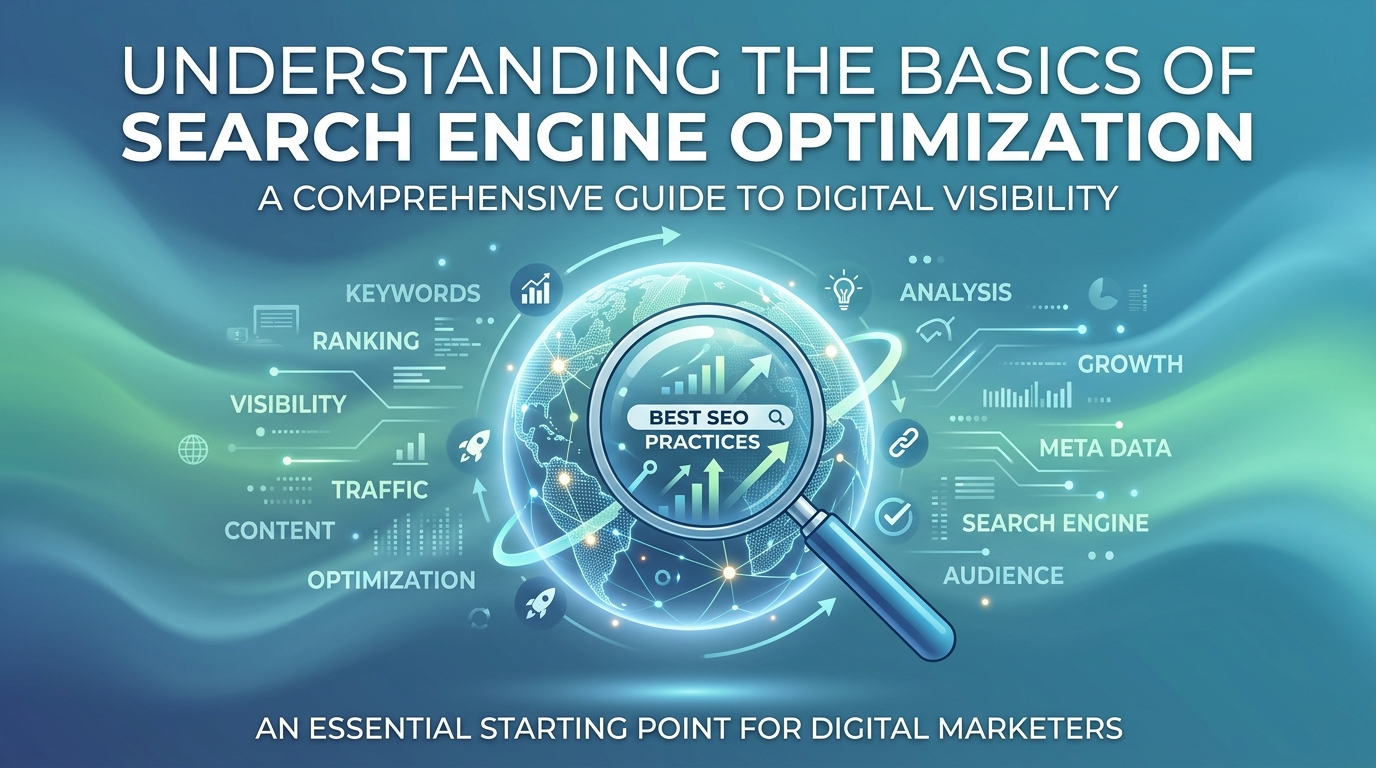
Let’s make this even more practical. When you wonder what is search engine optimisation, picture a busy marketplace. Thousands of stalls compete for attention, and shoppers only visit the ones they can see clearly. SEO is the work you do to make your stall stand out.
This includes choosing the right words, organizing your content well, and earning a good reputation. Search engines reward sites that serve users best. So optimization isn’t about tricking the system. It’s about genuinely being the best answer to someone’s question.
The same idea applies whether you call it search engine optimization or search optimization. The terms point to one goal: connecting your content with the people searching for it.
What Is Search Optimization Versus Paid Ads?
Many beginners confuse SEO with paid advertising. They’re related but different. Knowing what is search optimization helps you see where it fits in your overall marketing.
Paid ads put you at the top instantly, but only while you pay. The moment your budget runs out, your visibility disappears. SEO works differently. It builds lasting visibility through earned trust and quality content.
Here’s the key difference in simple terms:
- Paid ads: Fast, costly, and temporary
- SEO: Slower to build, but durable and cost-effective over time
Both have their place. Smart businesses often use them together. But SEO offers something ads can’t: long-term results that keep working after the initial effort.
How Does SEO Work? A Look Behind the Curtain
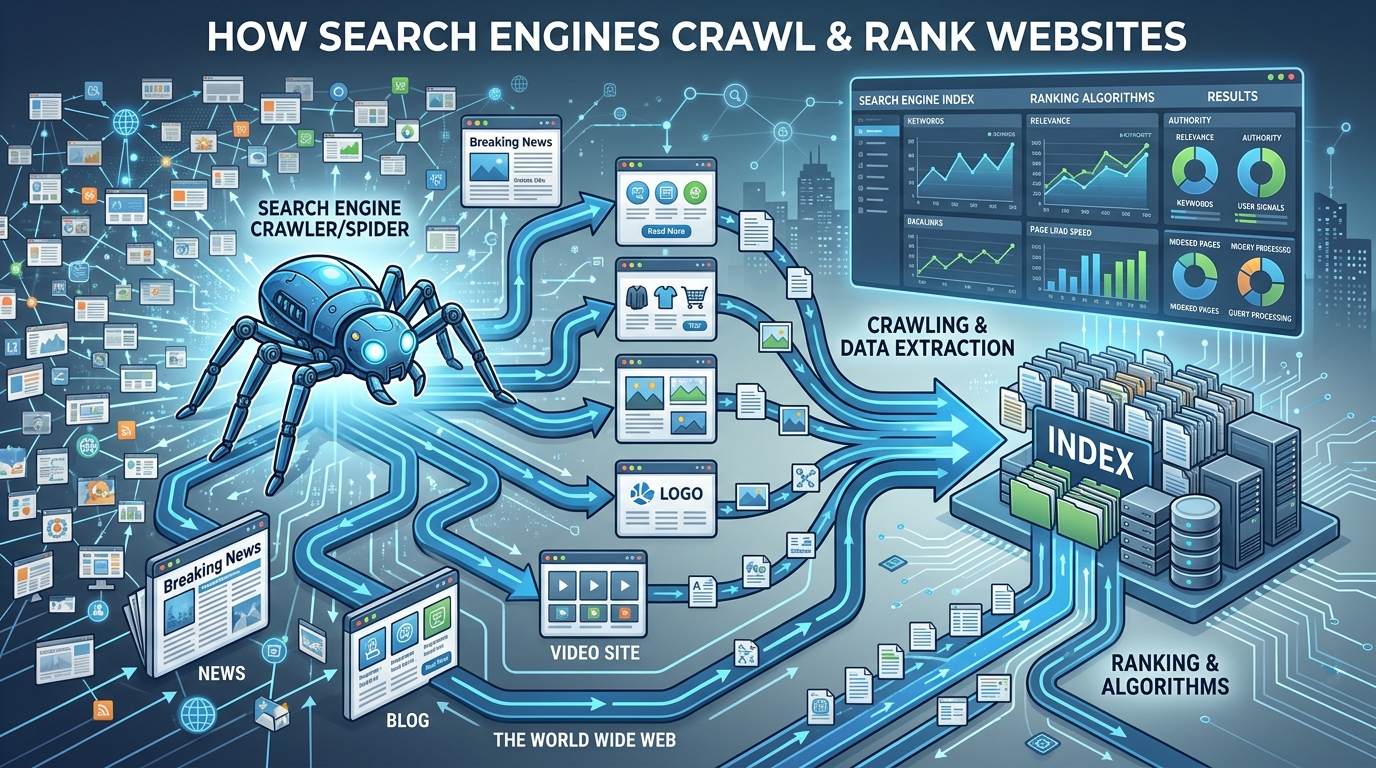
Understanding how does SEO work makes everything else click into place. Search engines follow a three-step process to deliver results. Once you grasp these steps, your optimization choices make far more sense.
The three core stages are crawling, indexing, and ranking. Each one plays a vital role in whether your content appears when someone searches. Let’s walk through them one at a time.
Step 1: Crawling
Search engines send out automated programs called crawlers or bots. These bots travel across the web, following links from page to page. Their job is to discover new and updated content.
If your site is easy to crawl, bots find your pages quickly. If it’s confusing or broken, they may miss important content. This is why clear site structure and working links matter so much for SEO.
Step 2: Indexing
After crawling, search engines store what they find in a giant database called an index. Think of it as the library catalog. If your page isn’t indexed, it simply can’t appear in search results.
To get indexed well, your content needs to be clear and original. Search engines analyze your text, images, and structure to understand what each page is about. The clearer your signals, the better they can file your content.
Step 3: Ranking
Finally, search engines rank indexed pages for each search query. They use complex algorithms to decide which results best match what the user wants. The most relevant, trustworthy pages appear at the top.
Hundreds of factors influence ranking. These include keyword relevance, content quality, site speed, mobile-friendliness, and the number of trusted sites linking to you. Strong SEO improves these factors so your pages climb higher.
Why User Intent Matters in Ranking
Modern search engines focus heavily on intent. They try to understand the real reason behind a search. Someone typing “best running shoes” wants options to compare. Someone typing “buy running shoes size 10” is ready to purchase.
Matching your content to intent is one of the smartest things you can do. When your page answers the exact need behind a search, you naturally rank better. This focus on the user sits at the core of all good SEO.
Core SEO Fundamentals & Definitions You Should Know
Let’s build your vocabulary. A few key terms appear again and again in SEO. Once you know them, the whole field feels far less intimidating. These SEO fundamentals & definitions form the foundation of everything else.
We’ll group them into the main pillars of optimization. Each pillar handles a different part of the puzzle, and together they create a complete strategy.
On-Page SEO
On-page SEO covers everything you control directly on your website. This includes your content, headings, titles, and keywords. It’s where most beginners start because it’s fully within your hands.
Good on-page work means writing helpful content and organizing it clearly. You place important keywords naturally in titles, headers, and body text. You also use descriptive page titles and meta descriptions to attract clicks.
Key on-page elements include:
- Title tags and meta descriptions
- Headings that organize your content
- Keyword-rich, helpful body text
- Internal links between related pages
- Image alt text describing your visuals
Off-Page SEO
Off-page SEO happens away from your website. It’s mostly about building your reputation across the web. The biggest piece is earning backlinks, which are links from other sites pointing to yours.
When trusted websites link to you, search engines see it as a vote of confidence. The more quality votes you earn, the more authority your site gains. This authority helps you rank higher over time.
Off-page work also includes social media presence, brand mentions, and online reviews. All of these signals tell search engines that real people value your business.
Technical SEO
Technical SEO focuses on the behind-the-scenes health of your site. It makes sure search engines can crawl and index your pages without trouble. Even great content struggles to rank if the technical foundation is weak.
This pillar covers site speed, mobile-friendliness, secure connections, and clean code. It also includes things like sitemaps and structured data that help bots understand your site.
Important technical factors include:
- Fast page loading times
- Mobile-responsive design
- Secure HTTPS connections
- A logical site structure
- An XML sitemap for crawlers
Content and Keywords
Content is the fuel that powers SEO. Without valuable content, there’s nothing to optimize. Keywords are the words and phrases people type into search engines. Together, they connect your site to your audience.
The goal is to create content that answers real questions. You research the terms your audience uses, then build helpful pages around them. This blend of useful content and smart keyword targeting drives sustainable results.
Comparing Core SEO Concepts at a Glance
Sometimes a side-by-side view makes ideas stick. The table below breaks down the main SEO concepts, what they mean, why they matter for your business, and a simple first step. Use it as a quick reference as you learn.
|
SEO Concept |
Definition |
Business Value |
Beginner Action |
|---|---|---|---|
|
On-page SEO |
Optimizing content and elements on your pages |
Better relevance and clicks |
Write clear titles and helpful content |
|
Off-page SEO |
Building authority through external signals |
More trust and higher rankings |
Earn links and gather reviews |
|
Technical SEO |
Improving site health and crawlability |
Easier indexing and faster site |
Test mobile speed and fix errors |
|
Keywords |
Terms people search for |
Connects you to your audience |
Research what customers type |
|
Content quality |
Helpful, original information |
Keeps visitors engaged |
Answer common customer questions |
|
User intent |
The goal behind a search |
Higher conversions |
Match pages to search needs |
This comparison shows how each piece supports the others. You don’t need to master everything at once. Start with one concept, take the beginner action, and build from there.
SEO Marketing and How It Drives Business
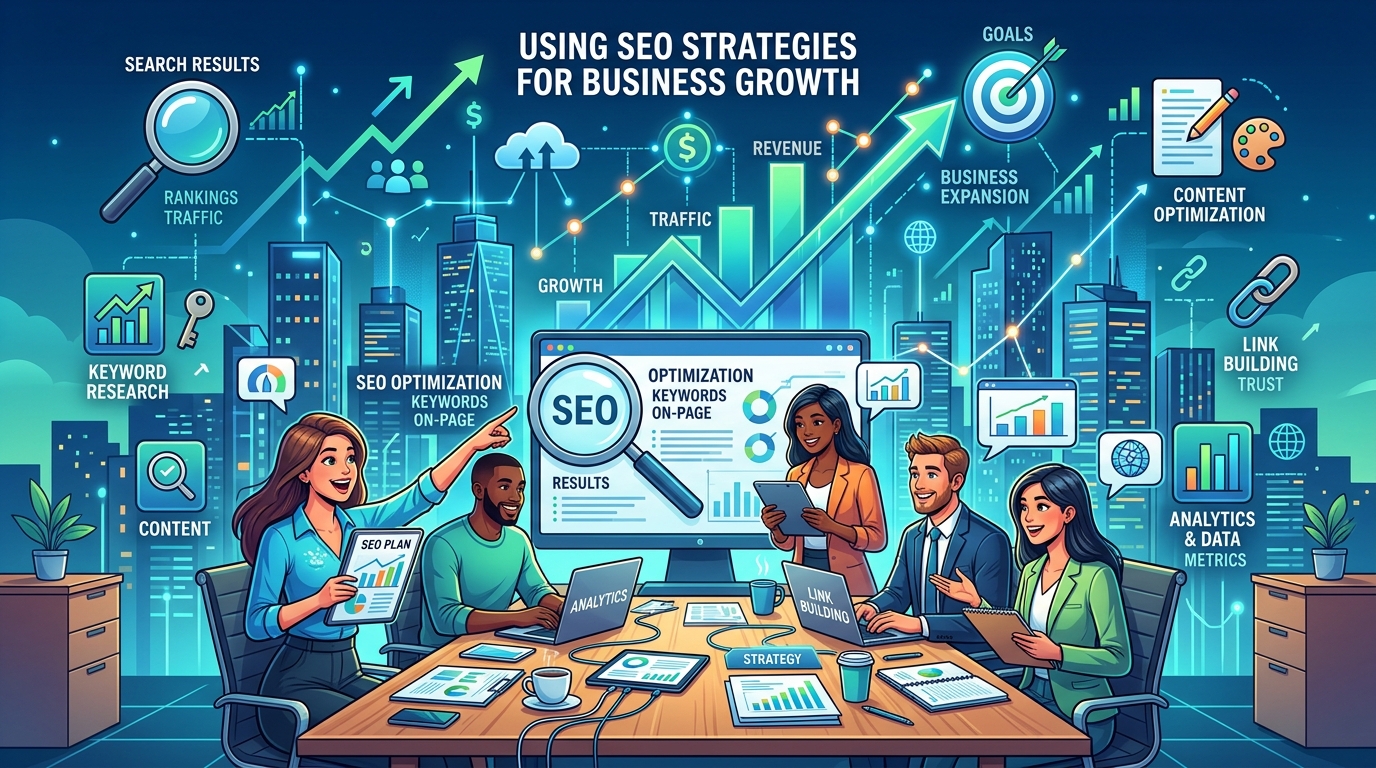
SEO isn’t just a technical exercise. It’s a powerful marketing channel. When you understand SEO marketing, you see how organic search fits into your bigger growth plan. It works hand in hand with content, social media, and even email.
The beauty of search engine optimization marketing is its efficiency. Instead of chasing customers, you attract people who are already looking for what you offer. That intent makes them far more likely to buy.
Why SEO Marketing Beats Interruption Advertising
Traditional ads interrupt people. They pop up while you watch a video or scroll a feed. SEO marketing does the opposite. It meets people at the exact moment they search for a solution.
This pull approach feels natural and welcome. A searcher actively wants information, and your content provides it. That positive first impression builds trust before they ever contact you.
Over time, search engine optimization marketing compounds. Each piece of quality content keeps attracting visitors month after month. Unlike a paid campaign that stops when funding ends, your organic content keeps working.
How SEO Supports Other Marketing Channels
SEO rarely works alone. It strengthens your entire marketing system. Blog content can fuel your email newsletters. Strong rankings boost your brand’s credibility on social media. Everything reinforces everything else.
For example, a popular blog post might earn social shares, which lead to backlinks, which improve rankings further. This cycle creates momentum. The more you invest in quality, the more these channels feed one another.
SEO for Business Growth: The Long-Term Payoff
Let’s talk about results. The real reason businesses invest in optimization is growth. SEO for business growth means turning search visibility into leads, sales, and lasting customers. It’s an investment that pays off steadily.
Unlike quick tactics that fade, SEO builds an asset you own. Your ranking pages become a reliable source of traffic. That traffic flows in without ongoing ad spend, lowering your cost to acquire each customer.
Building Trust and Authority
People trust search engines. When your site ranks high, that trust transfers to your brand. Users often see top results as more credible and reliable. This perception alone gives you an edge over competitors.
As you publish helpful content and earn quality links, your authority grows. This authority makes future rankings easier to achieve. It’s a virtuous cycle that strengthens your position year after year.
Generating Consistent, Qualified Traffic
The traffic SEO brings is highly targeted. These visitors searched for exactly what you offer. That means they’re more likely to become leads and customers. Quality beats quantity every time.
Consistent traffic also makes your business more predictable. You can plan around steady organic visits rather than unpredictable ad swings. This stability is a huge advantage for any growing company.
Measuring SEO’s Impact on Growth
Strong SEO is measurable. You can track exactly how it contributes to your bottom line. This data helps you refine your strategy and prove its value.
Key metrics to watch include:
- Organic traffic volume and trends
- Keyword rankings for important terms
- Conversion rates from search visitors
- Time visitors spend on your pages
- Number of quality backlinks earned
Tracking these numbers turns SEO from guesswork into a clear, data-driven strategy. You see what works and double down on it.
How to Improve SEO for Small Business
Small businesses often feel they can’t compete with big brands. The good news is that SEO levels the playing field. Knowing how to improve SEO for small business helps you win local and niche searches where giants don’t focus.
You don’t need a huge budget to make progress. You need focus, consistency, and the right priorities. Let’s look at practical steps that deliver real results.
Start With Local SEO
For most small businesses, local search is the biggest opportunity. People search for services “near me” every day. Showing up in those results can flood you with nearby customers.
Begin by claiming your free business profile on major search platforms. Fill it out completely with your hours, address, and photos. Encourage happy customers to leave reviews, since these strongly influence local rankings.
Focus on a Few Strong Keywords
Don’t try to rank for everything at once. Pick a handful of keywords that match your core offerings. Target terms with clear buying intent and realistic competition.
Long-tail keywords work especially well for small businesses. These are longer, specific phrases like “handmade leather wallets in Austin.” They attract fewer searches but far more qualified visitors.
Create Helpful, Local Content
Content remains your strongest tool. Write posts that answer questions your customers actually ask. Address local topics, seasonal needs, and common concerns in your industry.
This content does double duty. It helps your rankings while building trust with potential customers. Every helpful page becomes a new doorway for people to discover you.
Keep Your Website Fast and Mobile-Friendly
Most local searches happen on phones. If your site loads slowly or looks broken on mobile, you lose customers instantly. A fast, clean, mobile-friendly site is non-negotiable.
Test your site on your own phone. Check that buttons are easy to tap, text is readable, and pages load quickly. These small fixes can meaningfully improve your rankings and conversions.
Practical SEO Tips You Can Use Today
Knowledge means little without action. These SEO tips are simple, beginner-friendly, and effective. You can start applying them right now, even with no technical background.
Pick a few to begin with, then add more as you grow comfortable. Consistency matters more than perfection. Small steps add up to big gains over time.
On-Page SEO Tips
Your pages are the easiest place to start. A few smart tweaks can improve how search engines understand your content. These changes are quick and fully within your control.
Try these practical SEO tips:
- Write a unique, descriptive title for every page
- Use your main keyword in the first paragraph naturally
- Break content with clear headings and subheadings
- Add internal links to guide visitors and bots
- Write descriptive alt text for all your images
Content SEO Tips
Great content keeps people on your site and earns links. The goal is to be genuinely useful. When you help readers, search engines reward you.
Keep these tips in mind as you write:
- Answer one clear question per page
- Use simple language anyone can follow
- Keep paragraphs short and easy to scan
- Update old content to keep it fresh and accurate
- Include real examples to make points stick
Technical SEO Tips
You don’t need to be a developer to handle basic technical health. A few checks go a long way. These steps keep your site running smoothly for both users and bots.
Focus on these essentials:
- Make sure your site uses HTTPS for security
- Test and improve your page loading speed
- Confirm your site works well on mobile devices
- Fix broken links and error pages
- Submit a sitemap to major search engines
Core SEO Principles That Stand the Test of Time
Tactics change as algorithms evolve. But certain SEO principles stay constant. When you build on these foundations, your strategy remains strong no matter what updates roll out. These principles guide every smart decision.
The biggest principle is simple: serve the user first. Search engines exist to satisfy searchers. When your site genuinely helps people, you align perfectly with what search engines reward.
Quality Over Quantity
It’s tempting to pump out lots of thin content. Resist that urge. A few excellent pages outperform dozens of weak ones. Search engines value depth, usefulness, and originality.
Focus your energy on creating content that truly helps. One thorough, well-researched article can attract more traffic than ten shallow posts. Quality builds the trust that drives rankings.
Consistency and Patience
SEO is a long game. Results build gradually, not overnight. The businesses that win are the ones that stay consistent over months and years.
Publish regularly, refine your approach, and keep learning. Patience pays off as your authority compounds. Those who quit too early miss the biggest rewards.
A Helpful Resource for Learning SEO Principles
Sometimes a clear, well-organized guide helps these ideas sink in. A trusted overview can save you hours of scattered research and give you a solid framework to follow.
For a thoughtful, practical breakdown worth bookmarking, check this out:
Principles of SEO guide
A clear walkthrough of core SEO foundations.
Great for beginners and small business owners.
Perfect when you want to master key seo principles.
This kind of resource grounds your learning in proven fundamentals. With a solid framework, every tactic you try becomes more effective.
Adapt to Change Without Chasing Trends
The search world shifts constantly. New features and updates appear regularly. Smart marketers stay informed but don’t panic over every change.
Anchor yourself to the timeless principles. Serve users, create quality, and build trust. When you follow these, algorithm updates rarely hurt you. In fact, they often help, since they reward exactly what you’re already doing.
Common SEO Mistakes Beginners Should Avoid
Learning what to avoid is just as valuable as knowing what to do. A few common mistakes trip up nearly every beginner. Spotting them early saves you time and frustration.
Awareness protects your progress. Steer clear of these pitfalls, and your SEO journey will go far more smoothly.
Keyword Stuffing
In the early days, people crammed keywords everywhere. That trick no longer works and now hurts you. Search engines penalize content that feels spammy or unnatural.
Use keywords naturally instead. Write for humans first, then check that your key terms appear sensibly. Readable, helpful content always wins over forced repetition.
Ignoring Mobile Users
Some businesses still design only for desktop. That’s a costly error. The majority of searches now happen on mobile devices.
Always check how your site looks and works on a phone. A smooth mobile experience is essential for both rankings and customer satisfaction.
Expecting Instant Results
Many beginners give up when results don’t appear in a week. SEO simply doesn’t work that fast. It rewards patience and steady effort.
Set realistic expectations. Meaningful gains often take a few months to show. Stay consistent, trust the process, and the results will come.
Putting Your SEO Knowledge Into Action
You now have a solid grasp of the essentials. From definitions to strategy, you understand how the pieces connect. The next step is to act on what you’ve learned.
Start small and build momentum. You don’t need to do everything at once. Pick one area, make improvements, and move to the next. Progress compounds over time.
Here’s a simple starting plan:
- Choose three keywords that match your business
- Improve the titles and content on three key pages
- Claim and complete your local business profile
- Test your site speed and mobile experience
- Publish one helpful article answering a customer question
Follow this plan, and you’ll lay a strong foundation. Each step strengthens your visibility and brings you closer to lasting growth.
Frequently Asked Questions
What does SEO mean in simple terms?
SEO means search engine optimization, the practice of improving your website to rank higher in search results. It helps search engines understand and trust your content. The goal is to connect your pages with people actively searching for what you offer. Better optimization means more visibility and more visitors over time.
What is search engine optimisation and why does it matter?
Search engine optimisation is the process of making your site more visible in organic search results. It matters because most people find businesses through search engines today. When you rank well, you attract free, targeted traffic from people already interested. This visibility builds trust and drives steady, long-term growth.
How does SEO work behind the scenes?
SEO works through three steps: crawling, indexing, and ranking. Search engines crawl the web to discover pages, store them in an index, then rank them for each search. They use many factors like relevance, quality, and trust to decide order. Strong SEO improves these factors so your pages climb higher.
What is the difference between SEO and paid ads?
SEO earns visibility through quality content and trust, while paid ads buy instant placement. Ads stop working the moment your budget runs out, but SEO keeps delivering over time. SEO takes longer to build yet costs less in the long run. Many businesses use both together for the best results.
How is SEO marketing different from other marketing?
SEO marketing attracts people at the exact moment they search for a solution. Unlike interruption ads, it meets a real, active need. This pull approach feels natural and builds trust before contact. Over time, your content keeps attracting visitors without ongoing ad spend, making it highly cost-effective.
How does SEO support business growth?
SEO drives business growth by turning search visibility into leads and sales. It generates consistent, qualified traffic from people already looking for your products. High rankings also build credibility and trust in your brand. Because the traffic is organic, it lowers your cost to acquire each new customer.
How can I improve SEO for my small business?
Start with local SEO by claiming your business profile and gathering reviews. Focus on a few strong, specific keywords that match your offerings. Create helpful content answering customer questions, and keep your site fast and mobile-friendly. These focused steps help small businesses compete and win local searches.
What are the most important SEO principles to follow?
The top SEO principle is serving the user first with genuinely helpful content. Prioritize quality over quantity, since a few excellent pages outperform many weak ones. Stay consistent and patient, as results build over months. Anchor to these timeless principles instead of chasing every algorithm trend.
What simple SEO tips can a beginner start with?
Begin by writing unique, descriptive titles for every page and using keywords naturally. Break content with clear headings and add helpful internal links. Make sure your site loads fast and works well on mobile. Answer one clear question per page, and your content will serve both readers and search engines.
What is search optimization compared to search engine optimization?
Search optimization and search engine optimization point to the same goal: improving your visibility in search results. Both involve aligning your content with what people search for. The terms are used interchangeably in most cases. The core idea is connecting helpful content with the right audience at the right time.
How long does SEO take to show results?
SEO is a long-term strategy, so meaningful results often take a few months to appear. New sites or competitive niches may take longer to gain traction. Consistency is the key, since rankings build gradually as you publish quality content. Patience and steady effort pay off with lasting, compounding traffic.
What common SEO mistakes should beginners avoid?
Avoid keyword stuffing, which now hurts rankings instead of helping them. Don’t ignore mobile users, since most searches happen on phones today. Also, don’t expect instant results, as SEO rewards patience. Writing naturally, designing for mobile, and staying consistent will keep your SEO efforts on the right track.
Final Thoughts: Build Your SEO Foundation With Confidence
SEO doesn’t have to feel overwhelming. Once you understand the core definitions and principles, the whole picture becomes clear. You now know what SEO means, how it works, and how to use it to grow your business.
The secret is to start small and stay consistent. Focus on serving your audience, creating quality content, and improving your site step by step. These fundamentals will guide you through every algorithm change and trend.
Here’s your next move: pick one tip from this guide and apply it today. Refresh a page title, claim your local profile, or write one helpful article. Each small action builds toward lasting visibility and steady growth. Your SEO journey starts with that first step.
