

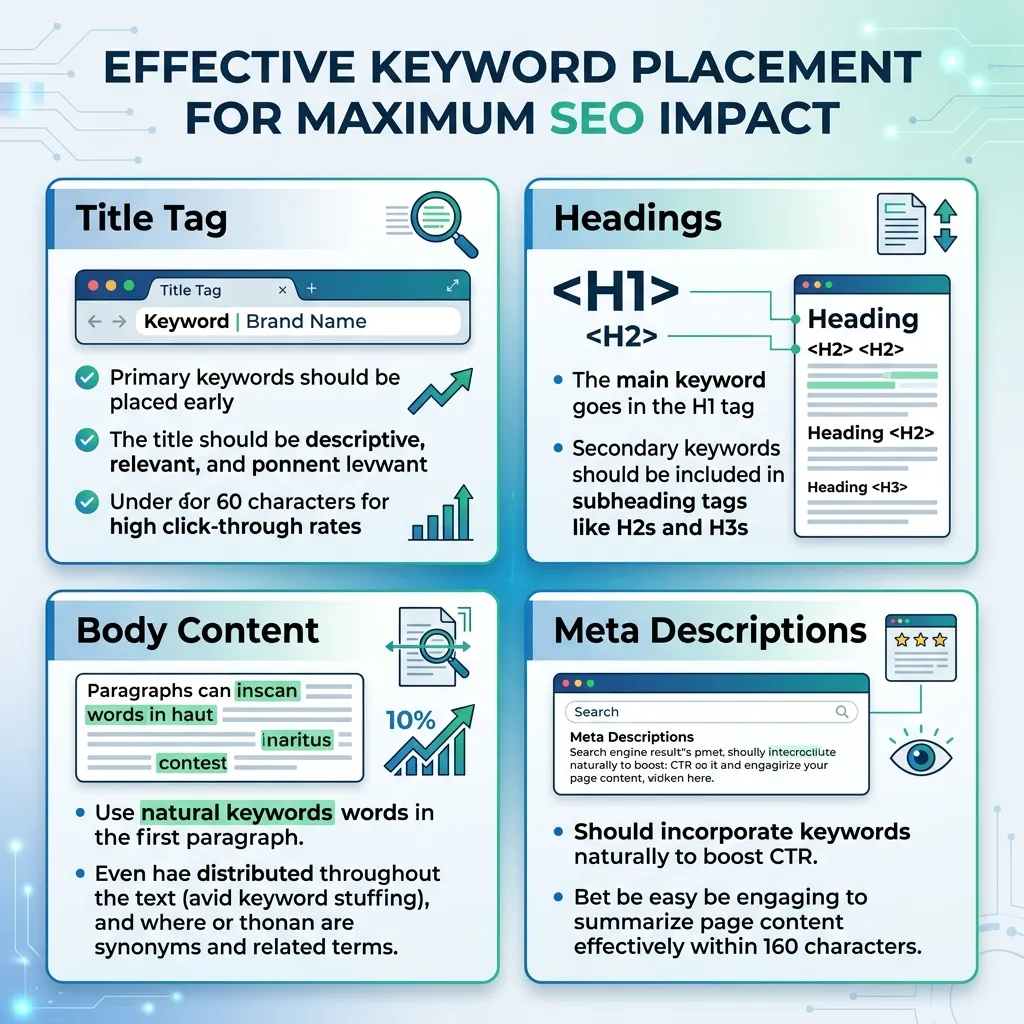
This blog explains strategic keyword placement in SEO, including title tags, headings, URLs, and content. It highlights how proper keyword use improves search visibility, user intent alignment, rankings, and overall on-page SEO performance.
Search engine optimization often feels like a silent language spoken entirely between your website and the algorithms. You write a brilliant piece of content, but without the right signals, search engines simply cannot translate its value to potential readers. This is where keyword placement becomes the vital bridge connecting your expertise with the exact people looking for it.
Placing keywords correctly tells search engines precisely what your page is about. It is not just about throwing a few popular phrases onto a page and hoping for the best. Strategic keyword placement guides algorithms through your content’s hierarchy, ensuring they understand the primary topic, the supporting subtopics, and the overall context of your message. Proper keyword placement is the foundation of any successful digital strategy.
Effective keyword placement is crucial for visibility, traffic, and overall SEO success. When you understand exactly where and how to integrate these terms, you transform hidden web pages into highly visible resources that consistently attract and engage your ideal audience. Mastering keyword placement requires patience, strategy, and a deep understanding of on page seo principles.
The Fundamentals of Keywords in SEO
Before placing your keywords, you need a solid understanding of what they are and how to find the right ones. You cannot execute proper keyword placement without a strong foundation in keyword theory. Keyword placement relies heavily on knowing which exact terms deserve the most prominent spots on your website.
What are Keywords?
Keywords are the exact words and phrases people type into search engines when looking for information, products, or services. They generally fall into three categories. Short-tail keywords are broad, one or two-word phrases with massive search volume but fierce competition. Long-tail keywords are longer, highly specific phrases that bring in highly targeted traffic. Latent Semantic Indexing (LSI) keywords are contextually related terms that help search engines understand the broader topic of your page. Understanding these categories is essential for effective keyword placement.
Behind every keyword lies user intent. When someone searches “buy running shoes,” their intent is transactional. If they search “how to start running,” their intent is informational. Aligning your keyword strategy with the user’s actual goal is the first step toward SEO success. Good keyword placement always honors the intent behind the search. When you map user intent to your keyword placement strategy, you drastically improve your search ranking factors.
Keyword Research: The Foundation of Keyword Placement
Effective keyword research requires the right tools and techniques. Platforms like Ahrefs, SEMrush, and Google Keyword Planner help you uncover exactly what your audience is searching for. The goal is to identify high-volume, low-competition keywords. These hidden gems offer a realistic chance of ranking well while still bringing a meaningful amount of traffic to your website. Once you have a list of these terms, you can begin the process of strategic keyword placement.
You must categorize your research into primary and secondary keywords. Your primary keyword is the main focus of the page, and it dictates your primary keyword placement strategy. Secondary keywords support the main topic and provide opportunities for secondary keyword placement throughout the body of the text. Proper seo content optimization relies heavily on organizing these terms before you write a single word of content.
Strategic Keyword Placement: On-Page SEO Elements
Once you have your target keywords, you need to place them where search engines naturally look first. On page seo relies heavily on specific HTML elements. Search engine crawlers scan these elements to determine relevance. Therefore, your keyword placement within these tags is non-negotiable.
Title Tags: Your First Impression
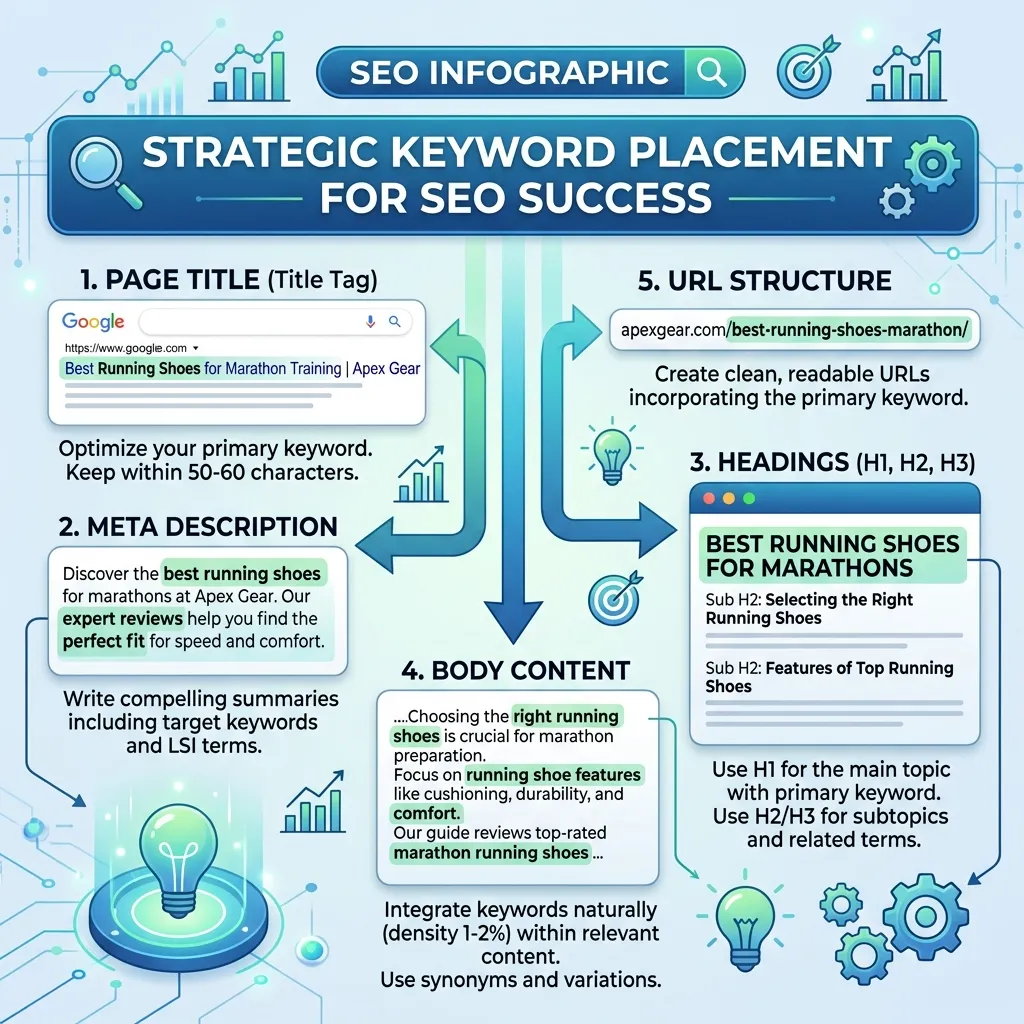
Your title tag is the clickable link that appears in search engine results. It is heavily weighted by search algorithms and serves as your first impression for users. Place your primary keyword as close to the beginning of the title tag as naturally possible. This specific keyword placement tactic carries significant weight in search ranking factors. A compelling, keyword-optimized title tag directly influences your click-through rates, signaling to search engines that your content is highly relevant.
When executing keyword placement in your title tags, keep the length under 60 characters. If your title is too long, search engines will truncate it, potentially hiding your carefully placed keywords. Effective keyword placement here means balancing optimization with human readability. You want the search engine to understand the topic, but you also need the human user to click the link.
Meta Descriptions: The Ad Copy of Search Results
The meta description sits just below the title tag in search results. While it does not act as a direct ranking factor, it heavily influences whether a user clicks on your link. Craft compelling descriptions that naturally include your primary keyword and relevant secondary terms. When a user searches for that exact phrase, search engines will bold the keyword in your meta description, instantly drawing the reader’s eye. This visual highlighting makes keyword placement in the meta description incredibly valuable for driving traffic.
Optimal keyword placement in a meta description means treating the text like a short advertisement. You have about 155 characters to convince the user that your page holds the answer they need. Include a call to action alongside your keyword placement to maximize the impact of your seo content optimization efforts.
Headings (H1, H2, H3): Structuring Content for Readability and SEO
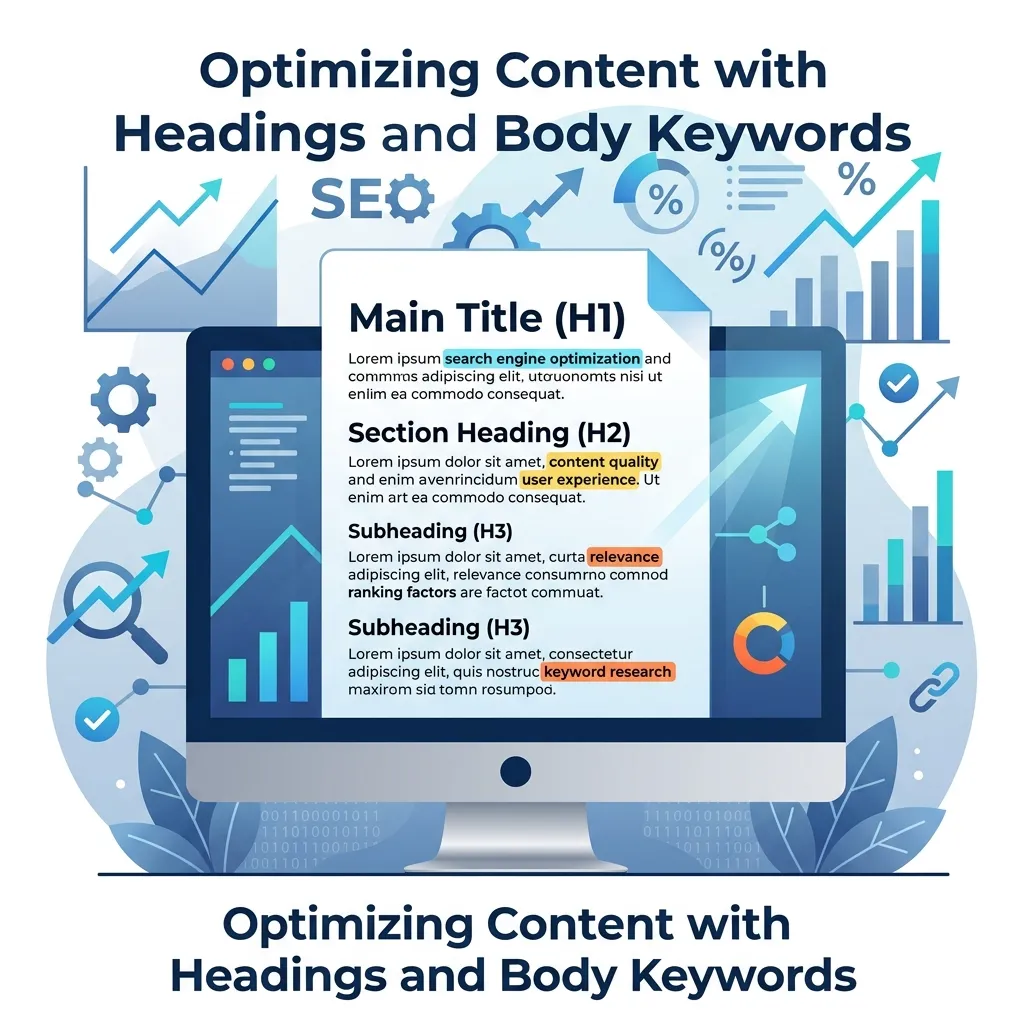
Headings organize your content, making it easier for both humans and search engines to digest. Your H1 tag is the main title of your page, and it should always contain your primary keyword. This is arguably the most important piece of keyword placement on the page. You should only use one H1 tag per page to maintain a clear hierarchy.
As you break down the topic, weave secondary and long-tail keywords into your H2 and H3 tags. This establishes a clear hierarchy and context, improving the user experience while proving your content covers the topic comprehensively. Strategic keyword placement within your subheadings tells the algorithm exactly how your page is organized. It breaks your content down into easily understandable chunks, which is a major component of successful on page seo.
Utilizing H4 Tags for Deeper Keyword Placement
For highly detailed, long-form content, you will often need H4 tags to break down complex subsections. These smaller headings offer additional opportunities for long-tail keyword placement. Use these tags to target highly specific questions your users might ask. This level of granular keyword placement helps you capture long-tail search traffic effectively.
URL Structure: Clean and Keyword-Rich
Search engines read your URL to gather clues about the page’s topic. A clean, descriptive URL that includes your primary keyword is much more effective than a string of random numbers. Keyword placement within the URL is a highly established best practice. Keep the URL short and avoid keyword stuffing. A simple structure like yourdomain.com/keyword-placement-tips is highly effective.
When structuring URLs for optimal keyword placement, use hyphens to separate words. Search engines read hyphens as spaces. Avoid using stop words like “and,” “the,” or “of” in your URL string. Direct, precise keyword placement in the URL ensures the algorithm immediately registers the core topic of the destination page.
Body Content: The Core of Your Message
The main body of your text is where you deliver value. Integrate your keywords naturally. The old days of forcing a specific keyword density are long gone, though maintaining a natural frequency remains important. Focus instead on writing clearly and naturally for the reader. Use your primary keyword in the first 100 words. This early keyword placement establishes immediate relevance for both the reader and the crawler.
Sprinkle LSI keywords throughout the rest of the text to build deep, contextual relevance. Natural keyword placement within the body means using variations, synonyms, and related terms. This approach to seo content optimization proves to the algorithm that you possess deep knowledge of the subject matter. Excellent keyword placement reads smoothly; if a sentence feels forced, you should revise it.
Image Optimization: More Than Just Visuals
Search engines cannot view images, so they rely on text-based clues to understand them. Include descriptive, keyword-rich file names before uploading an image. Proper keyword placement in the file name (e.g., keyword-placement-strategy.jpg) gives the algorithm concrete data about the visual element.
Furthermore, utilize the alt text attribute to describe the image accurately, incorporating relevant keywords where appropriate. This enhances accessibility for visually impaired users and provides another strong SEO signal. Image alt text is a frequently overlooked area for effective keyword placement. By optimizing your visuals, you strengthen the overall on page seo profile of your document.
Specialized Keyword Strategies for Niche Markets
Different industries require slightly different approaches to keyword placement. A local service business needs localized terms, while an educational platform needs broad, informational terms. Understanding your specific niche allows you to refine your keyword placement strategy for maximum impact.
When dealing with educational content or promotional materials, keyword placement must align with the learning journey of the user. You need to structure your content to answer beginner questions before moving into advanced topics.
- Identify the core educational need of your audience.
- Perform keyword placement in introductory paragraphs to capture beginners.
- Use long-tail keyword placement in H3 tags to address specific curriculum questions.
- Ensure your URL structure reflects the educational pathway.
If you are building content to promote educational resources, you must place your keywords carefully around transactional and informational intents.
For deep insights into this specific strategy, review this resource on affiliate marketing keywords education.
Applying precise keyword placement to these educational funnels drastically improves conversion rates.
Comparing Niche Keyword Placement Strategies
|
Niche Market |
Primary Keyword Focus |
Optimal Keyword Placement Zone |
Goal of SEO Content Optimization |
|---|---|---|---|
|
Local Business |
City + Service (e.g., Plumber Chicago) |
Title Tag, H1, Footer |
Drive foot traffic and local phone calls. |
|
E-commerce |
Product Name + Buy (e.g., Buy Red Sneakers) |
Product Title, Meta Description |
Drive direct online sales. |
|
Educational/Affiliate |
How to + Topic (e.g., How to Start Marketing) |
H2 tags, Body Content |
Build trust, educate, and convert via links. |
Advanced Keyword Placement Techniques
To gain an edge over the competition, look beyond the basic on-page elements. Advanced keyword placement involves understanding site architecture and user behavior. When you master these advanced search ranking factors, you elevate your entire digital presence.
Internal Linking: Spreading Keyword Authority
Internal links connect the pages on your website, passing authority from one to another. Use keyword-rich anchor text when linking to other relevant pages on your site. This specific type of keyword placement helps search engines understand the context of the destination page while improving crawlability and user navigation.
Instead of using generic anchor text like “click here,” use descriptive phrases. This strategic keyword placement within your anchor text reinforces the topic of the page you are linking to. It creates a highly organized web of relevance that search engines reward with higher rankings.
External Linking: Building Authority and Context
Linking out to authoritative, trustworthy sources shows search engines that your content is well-researched. Use relevant keywords in your anchor text when linking externally. This reciprocal relationship helps establish your page as a valuable hub of information within your industry. External keyword placement proves that you are participating in the broader digital conversation.
User Engagement Metrics and Keyword Performance
Good keyword placement keeps users on your page. When your content perfectly matches the intent behind the keyword, users spend more time reading. This increases dwell time and lowers your bounce rate. Search engines monitor these engagement metrics closely, using them to confirm that your page deserves its ranking. Proper keyword placement ensures the user finds exactly what they expected when they clicked your link.
Common Keyword Placement Mistakes to Avoid
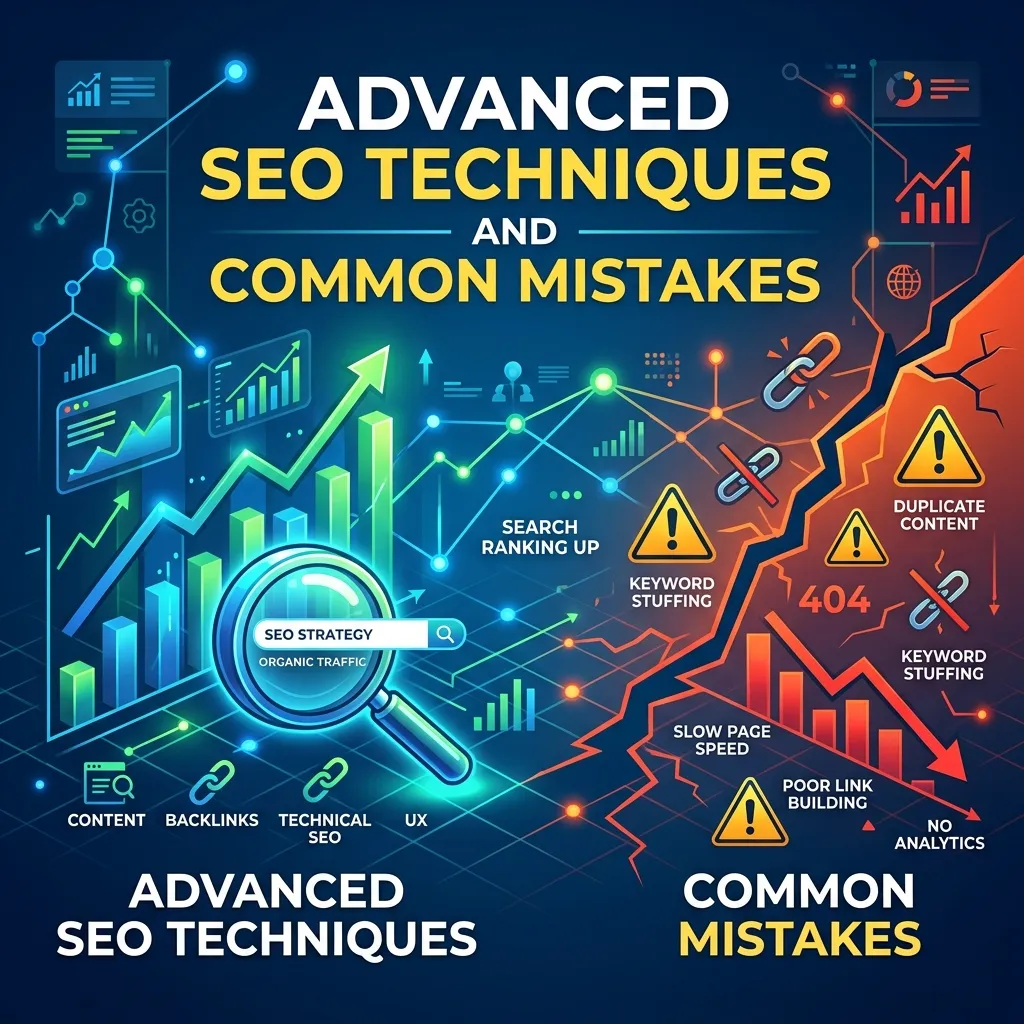
Even seasoned marketers occasionally fall into traps that harm their SEO efforts. Avoiding these errors is just as important as executing proper keyword placement. Poor keyword placement can actively damage your website’s reputation with search engines.
Keyword Stuffing: The Black Hat Trap
Keyword stuffing involves cramming as many keywords as possible into a page, often resulting in unreadable text. This practice actively hurts your rankings and destroys the user experience. Search engines are highly sophisticated and will quickly issue penalties for unnatural keyword usage. Your keyword placement must always read naturally. If you repeat a phrase too many times, you cross the line from seo content optimization into spam.
Ignoring User Intent: Writing for Machines, Not Humans
SEO has shifted fundamentally from pure keyword matching to intent matching. If your content uses the right keyword placement but fails to answer the user’s underlying question, it will not rank. Always prioritize your audience’s needs and write content that genuinely helps them. Keyword placement only works if the surrounding text provides actual value to the human reader.
Neglecting Long-Tail Keywords: Missing Niche Opportunities
Focusing entirely on highly competitive, short-tail keywords is a common error. Long-tail keywords offer the power of specificity. While they have lower search volume, they attract highly qualified traffic. Incorporating long-tail keyword placement into your H2 and H3 tags allows you to capture users who are much closer to making a decision or a purchase.
Tools and Resources for Keyword Placement Analysis
Data is your best friend when refining your keyword placement strategy. Guesswork has no place in modern search engine optimization. You must rely on accurate metrics to guide your keyword placement decisions.
Google Analytics and Search Console
These free tools provide invaluable data on which search queries are driving traffic to your site and how users behave once they arrive. You can use Search Console to see exactly which terms your pages currently rank for. This data allows you to tweak your keywords placement to capture higher positions for terms you are already indexing for.
SEO Auditing Tools
Platforms like SEMrush, Ahrefs, and Moz offer comprehensive site audits, highlighting missing keyword opportunities and technical errors. These tools will explicitly tell you if your keyword placement is lacking in vital areas like title tags or H1 headers. They are essential for maintaining strict on page seo hygiene.
Content Optimization Tools
Software like Clearscope or Surfer SEO analyzes top-ranking pages and provides actionable recommendations for LSI keywords and ideal content structure. These tools grade your keyword placement in real-time, helping you achieve the perfect balance of term frequency and contextual relevance before you hit publish.
Future of Keyword Placement in a Semantic Search World
Search engines are continually evolving. The rise of artificial intelligence and natural language processing means algorithms understand human language better than ever before. The future of keyword placement revolves around deep contextual understanding rather than rigid exact-match phrasing.
The focus is shifting rapidly toward topical authority. Rather than optimizing a single page for a single keyword, successful websites build clusters of highly relevant content that cover a broad topic from every angle. Comprehensive content that answers multiple related questions will consistently outperform thin pages optimized for a single term. However, strategic keyword placement remains the foundational map that guides these advanced algorithms through your content clusters.
Mastering the Art of Keyword Optimization
Effective keywords placement remains a foundational pillar of SEO. By strategically placing your target phrases in title tags, meta descriptions, headings, and naturally throughout your body content, you send clear signals to search engines about your page’s relevance and value. Proper keywords placement connects your hard work with the audience who needs it most.
The most successful websites balance technical SEO best practices with massive user value. Avoid keyword stuffing, respect user intent, and utilize the right tools to monitor your keyword placement performance. Ensure your seo content optimization aligns perfectly with the primary search ranking factors.
Start optimizing your keyword placement today. Audit your existing content, update your headings, and rewrite those meta descriptions. Every strategic adjustment to your keyword placement brings you one step closer to better visibility, higher traffic, and long-term SEO success.
Frequently Asked Questions About Keyword Placement
What exactly is keyword placement in SEO?
Keywords placement refers to the strategic insertion of specific search terms into various HTML elements and text areas of a webpage. It involves placing keywords in titles, headers, URLs, and body content to signal relevance to search engines. Proper placement ensures that algorithms correctly categorize and rank your content for target search queries.
Why is keyword placement in the title tag so important?
The title tag is one of the strongest search ranking factors available in on page seo. Search engines weigh the words in the title tag heavily to determine the overall topic of the page. Placing your primary keyword at the front of the title tag maximizes its impact and improves your click-through rate.
Does keyword placement in the URL affect rankings?
Yes, including your primary keyword in the URL structure provides a clear, highly relevant signal to search engine crawlers. A clean, keyword-optimized URL helps algorithms instantly grasp the page’s context before they even scan the body content. It also makes the link appear more trustworthy to human users.
How often should I use my target keyword in the body content?
You should aim for a natural keyword density, typically around one to two percent of the total word count. Avoid forcing the phrase unnaturally; instead, ensure your keyword placement flows well within the context of the sentence. Using synonyms and LSI keywords helps maintain relevance without triggering spam penalties.
What are LSI keywords and where should I place them?
LSI (Latent Semantic Indexing) keywords are contextually related terms that support your primary topic. You should weave LSI keywords placement naturally throughout your body paragraphs and occasionally in H3 or H4 subheadings. They help search engines understand the depth and comprehensive nature of your content.
Is keyword placement in the meta description a ranking factor?
While search engines do not use meta descriptions as a direct ranking factor, keyword placement here remains crucial. When a user searches for your keyword, the engine bolds that term in your meta description. This visual cue drastically improves click-through rates, which indirectly boosts your overall search performance.
How does keyword placement work with image optimization?
Search engines cannot see images, so they rely on your text to understand visual data. Proper keyword placement involves using your target terms in the image file name before uploading. Additionally, you must include the keyword naturally within the image alt text to improve accessibility and on page seo.
Should I use exact match keywords in every heading?
No, you should not use your exact primary keyword in every single heading on the page. Your H1 should contain the primary term, but your H2 and H3 tags should focus on long-tail variations and related subtopics. Diversifying your keyword placement across headings creates a more natural and comprehensive content structure.
What is the penalty for poor keyword placement or keyword stuffing?
If you cram too many keywords into your content unnaturally, search engines will issue a penalty for keyword stuffing. This black-hat tactic severely damages your search ranking factors and drastically lowers your visibility. Algorithms prioritize human readability, so spammy keywords placement will cause your page to plummet in rankings.
How does keyword placement impact user intent?
Keywords placement only succeeds when the content directly satisfies the user intent behind the search term. If your placement is perfect but the content fails to answer the user’s question, they will quickly leave your site. High bounce rates signal to search engines that your page is irrelevant, neutralizing the benefits of your optimization efforts.
